




August 7-9, 2026 | Tianjin, China
About ICCOE 2027
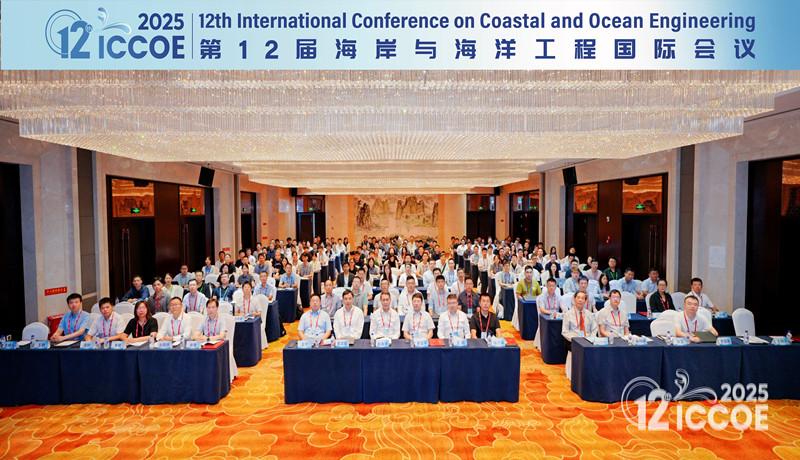
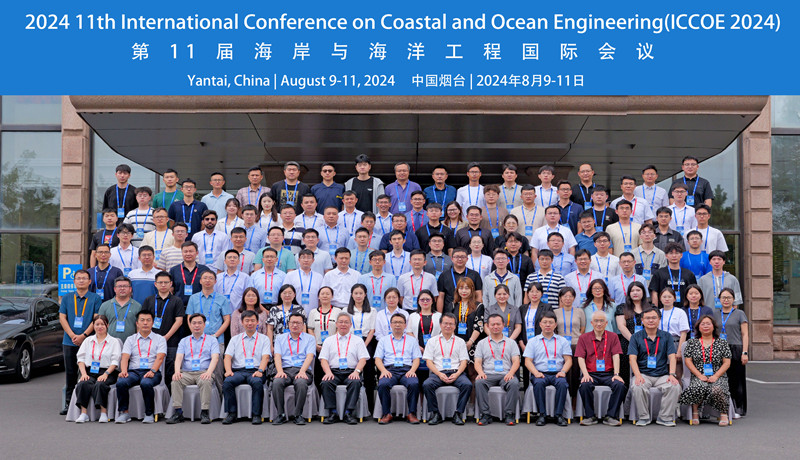
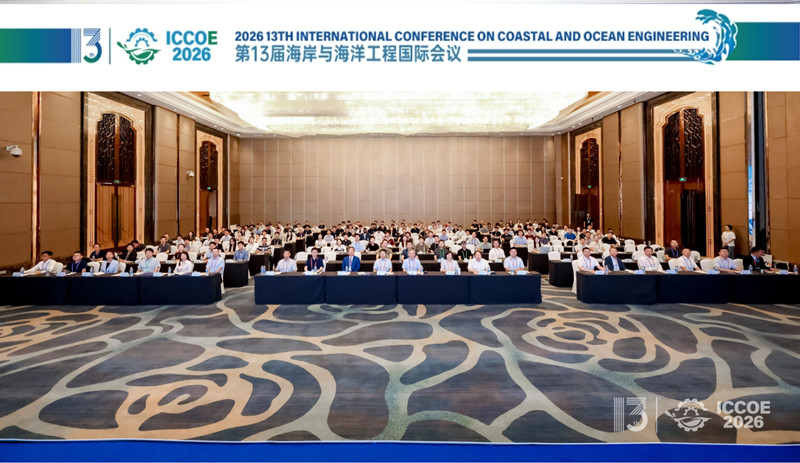
 The International Conference on Coastal and Ocean Engineering (ICCOE) is a well-established international academic conference in the field of coastal and ocean engineering. It has been successfully held for 13 editions, with a cumulative participation of 900 attendees, and has earned a solid reputation for academic exchange, research dissemination, and industry–academia collaboration, supported by a stable publication and indexing record.
Over its history, ICCOE has been hosted in major cities and attractive destinations across Asia and the Middle East—from Dubai (UAE), Tokyo, Kyoto and Osaka (Japan), to Shanghai (China) and Bangkok (Thailand). The conference has consistently selected accessible and pleasant venues, allowing participants to focus on academic exchange while enjoying a rewarding conference experience. Previous editions were organized by leading maritime universities in China, including China University of Petroleum, Dalian Maritime University, and Tianjin University. With a focused thematic scope and in-depth exchange, the conference has been widely praised by participants for its strong academic atmosphere and effective interaction.
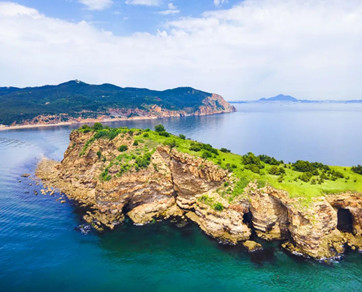
The 14th International Conference on Coastal and Ocean Engineering (ICCOE 2027) will be held on August 5–7, 2027, in Sanya, Hainan, China, jointly hosted by China University of Petroleum (Beijing) and China University of Petroleum (Qingdao), organized by Hainan Institute of China University of Petroleum (Beijing) and Hainan University, etc.. Located on the coast of the South China Sea, Sanya is a key region for China's offshore oil and gas, deep-sea science and technology, and marine engineering equipment industries—closely aligned with the conference themes of coastal engineering, offshore and deep-sea engineering, marine energy, and marine robotics and intelligent equipment. Continuing its stable publication and indexing channels, ICCOE 2027 will feature multiple thematic sessions on frontier topics in coastal and ocean engineering, providing a high-level platform for academic exchange and collaboration among scholars, engineers, and industry representatives worldwide.
Publication
 Papers
will go through peer review performed by
technical program committee members and
international reviewers. Selected papers
will be published in
Lecture Notes in Civil Engineering (ISSN:
2366-2557) as a proceedings book
volume by Springer. The book series is now indexed
by EI Compendex , Scopus, INSPEC, SCImago etc.
Papers
will go through peer review performed by
technical program committee members and
international reviewers. Selected papers
will be published in
Lecture Notes in Civil Engineering (ISSN:
2366-2557) as a proceedings book
volume by Springer. The book series is now indexed
by EI Compendex , Scopus, INSPEC, SCImago etc.
Publication History
Lecture Notes in Civil Engineering (ISSN: 2366-2557), indexed by EI Compendex and Scopus
Lecture Notes in Civil Engineering (ISSN: 2366-2557), indexed by EI Compendex and Scopus
Volume 423 of Springer Book Series: Lecture Notes in Civil Engineering (ISSN: 2366-2557), indexed by EI Compendex and Scopus
Volume 532 of Springer Book Series: Lecture
Notes in Civil Engineering (ISSN: 2366-2557), indexed by EI Compendex and Scopus
IOP Conference Series: Earth
and Environmental Science (EES) (ISSN:
1755-1315) Volume 1072, indexed by Scopus
Lecture Notes in Civil Engineering (ISSN: 2366-2557), indexed by EI Compendex and Scopus
Lecture Notes in Civil Engineering (ISSN: 2366-2557), indexed by EI Compendex and Scopus
Volume 423 of Springer Book Series: Lecture Notes in Civil Engineering (ISSN: 2366-2557), indexed by EI Compendex and Scopus
Volume 532 of Springer Book Series: Lecture Notes in Civil Engineering (ISSN: 2366-2557), indexed by EI Compendex and Scopus
IOP Conference Series: Earth
and Environmental Science (EES) (ISSN:
1755-1315) Volume 1072, indexed by Scopus